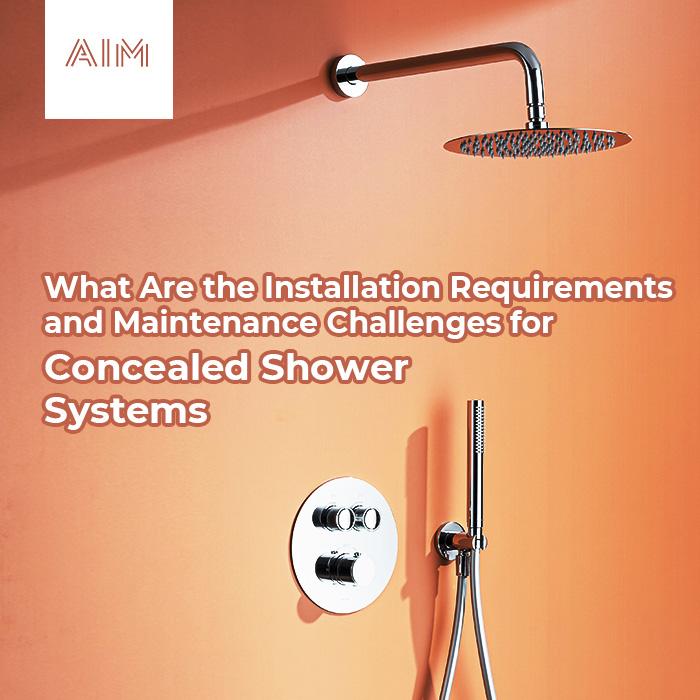
Concealed shower systems have become increasingly popular in recent bathroom renovations, with industry reports highlighting them as a growing design trend for 2024 and beyond. These systems embed mixing valves, water pipes, and showerheads within walls, exposing only sleek control panels and outlets. This design creates the clean, minimalist aesthetic that modern bathrooms demand. However, the beauty comes at a cost: installation errors can lead to substantial repair bills, and maintenance access requires strategic planning from day one.
Understanding the complete picture—installation requirements, maintenance challenges, and long-term costs—is essential before committing to a concealed system.
Installation Requirements: Critical Importance of Quality Installation
The success of concealed shower systems depends heavily on installation quality. Even premium fixtures fail without proper installation. Here are the critical requirements:
Wall Preparation and Waterproofing
Embedded box depth must align precisely with your finished tile surface. Most manufacturers recommend 3-5cm of adjustment space to accommodate tile thickness variations. This allows for fine-tuning during installation—once tiles are set, no further adjustments are possible.
Waterproofing around the embedded area is non-negotiable. This zone represents the highest leak risk in your entire bathroom system. Professional standard requires:
- Two coats of flexible waterproofing material applied around the embedded box
- 24-hour water testing before tile installation
- Additional flashing at wall-floor junctions
Cut corners here, and you risk catastrophic water damage behind finished walls.
Plumbing Layout and Precision
Pipe spacing follows strict standards: water supply lines must be spaced exactly 150mm center-to-center. This universal spacing ensures compatibility with virtually all concealed shower valves. Measurements must be precise—variations of even 5mm can prevent proper valve installation.
Pressure testing is mandatory before wall closure. Conduct a minimum 24-hour pressure test at 1.5 times working pressure (typically 0.8-1.0MPa). Verify all joints remain tight before proceeding with tile installation. For thermostatic systems, confirm balanced hot and cold supply pressure to ensure accurate temperature regulation.
Vertical alignment of the mixing valve is critical. Use a spirit level during embedding—any deviation affects trim plate installation and handle operation. Tiles will exaggerate minor misalignments, making them impossible to correct later.
Electrical Requirements for Electric Models
Electric concealed showers demand dedicated circuits with proper capacity:
| Requirement | Specification |
|---|---|
| Cable size | 10mm² for 9.5kW+ units |
| Current draw | Approximately 40 amperes |
| Circuit breaker | 40-45A Miniature Circuit Breaker |
| Protection | RCD (Residual Current Device) protection required |
Never share this circuit with other bathroom fixtures to prevent tripping during operation.
Maintenance Challenges: The Hidden Cost Factor
Concealed systems present unique maintenance challenges that exposed systems don't face. Understanding these challenges before installation prevents expensive surprises later.
Access Panel Planning: Your Most Critical Decision
The hard truth: without proper access panels, any internal failure requires wall demolition and complete retiling. This involves substantial costs for wall repair and tile replacement, depending on bathroom size and tile complexity.
The solution: install concealed but reachable access panels during construction. Best practice guidelines:
| Access Panel Type | Recommended Size | Placement |
|---|---|---|
| Minimum functional | 30×30cm | Adjacent to mixing valve |
| Preferred for maintenance | 40×40cm | Opposite side of valve wall |
| Tileable panel | Matches tile dimensions | Directly behind trim plate |
While access panels slightly compromise wall aesthetics, they represent insurance against catastrophic repair costs. Removable magnetic panels or tile-in access doors provide the best balance of appearance and functionality.
Cartridge Maintenance and Replacement
Ceramic cartridges in high-quality concealed valves typically last 10-20 years with proper maintenance and depending on water quality. However, failure symptoms appear gradually:
- Temperature instability (fluctuating hot/cold)
- Reduced water flow
- Stiff or loose handle operation
- Mineral buildup causing drips
Replacement costs vary significantly by region and service provider. According to industry estimates, professional shower valve cartridge replacement typically ranges from $100-$400, with an average cost around $275. DIY replacement can save on labor costs but requires proper tools and expertise.
Pro tip: Choose valve brands with tool-free trim plate removal. This simple feature reduces service time by 50% and DIY complexity dramatically.
Outlet Blockage and Cleaning
Embedded showerheads present cleaning challenges due to their enclosed mounting. Unlike exposed models, concealed heads have longer water paths that accumulate:
- Mineral deposits from hard water
- Sediment from aging pipes
- Biofilm in stagnant sections
Maintenance strategy: Monthly flushing prevents most issues. For models without quick-disconnect features, plan annual professional descaling. When selecting fixtures, prioritize designs with accessible cleaning ports or removable showerheads.
Leak Detection Difficulties
Concealed systems hide leaks until significant damage occurs. Warning signs include:
- Unexplained water bill increases (15%+ over normal)
- Musty odors indicating mold growth
- Damp spots on adjacent walls or ceilings below
- Tile looseness or grout discoloration
Detection methods range from simple to sophisticated:
- Visual inspection (look for surface changes)
- Moisture meter readings (detect hidden dampness)
- Infrared camera inspection (identify temperature anomalies)
- Professional borescope inspection (visual confirmation behind walls)
Early detection saves thousands in repair costs. Address water bill spikes or unusual odors immediately—don't wait for visible damage.
Critical Comparison: Concealed vs. Exposed Systems
| Factor | Concealed Systems | Exposed Systems |
|---|---|---|
| Installation cost | $8,000-$20,000+ (complete custom installation)* | $1,000-$5,000 |
| Repair access | Difficult (requires access panel) | Easy (all parts visible) |
| Maintenance cost | $100-$400+ per major repair | $50-$150 per repair |
| Aesthetic appeal | High-end, minimalist | Traditional, functional |
| DIY friendliness | Low (requires professional) | Moderate (some repairs possible) |
| Lifespan | 15-30+ years (with proper maintenance) | 10-20 years |
*Note: Costs vary significantly by region, materials selected, bathroom size, and complexity. Basic concealed valve installations may start around $3,000-$5,000, while complete custom tile shower systems with premium concealed fixtures typically range from $8,000-$20,000+. Luxury installations with digital controls or multiple showerheads can exceed $20,000.
This comparison reveals the trade-off: concealed systems offer superior aesthetics but come with higher upfront costs and more complex long-term maintenance requirements.
FAQs About Concealed Shower Systems
Q: How much does it cost to install a concealed shower system?
A: Installation costs vary significantly depending on materials, labor rates, project scope, and regional differences. Complete custom tile shower installations with concealed systems typically range from $8,000-$20,000+, with basic concealed valve installations potentially starting around $3,000-$5,000 for simpler projects. Luxury installations using premium fixtures, digital controls, or multiple showerheads can exceed $20,000. It's essential to obtain multiple quotes from licensed contractors and factor in waterproofing, tiling, and fixture costs.
Q: Can I install a concealed shower system myself?
A: DIY installation is not recommended for concealed systems. Professional installation ensures proper waterproofing, precise measurements, and compliance with local building codes. Mistakes during installation lead to expensive repairs that often exceed original installation costs.
Q: How long do concealed shower valves last?
A: Quality concealed shower valves typically last 15-30+ years with proper maintenance. Ceramic cartridges designed for long-term durability can provide reliable service for 10-20 years depending on water quality and usage patterns. Regular cleaning and water pressure monitoring extend valve lifespan significantly.
Q: What happens if a concealed valve fails without an access panel?
A: Valve failure without access panel access requires wall demolition and tile replacement. This emergency repair involves substantial costs and takes several days to complete. Installing access panels during initial construction prevents this scenario entirely.
Q: Are concealed shower systems worth the extra cost?
A: For homeowners prioritizing bathroom aesthetics and space optimization, concealed systems provide unmatched visual appeal and luxury feel. The investment can contribute to property value appreciation and daily enjoyment. However, budget-conscious homeowners or those planning frequent renovations may prefer exposed systems for lower costs and easier maintenance. Consider your long-term plans, budget, and aesthetic priorities when making this decision.
Conclusion: Making an Informed Decision
Concealed shower systems represent the pinnacle of bathroom design, offering sleek aesthetics and space optimization that transform ordinary bathrooms into spa-like retreats. However, this beauty demands meticulous installation and strategic maintenance planning from the outset.
Key takeaways for success:
- Prioritize waterproofing—this is your primary defense against catastrophic failure
- Install access panels during construction, not as an afterthought
- Choose quality valves with accessible cartridge replacement features
- Budget realistically for higher initial costs and understand long-term value
- Address warning signs immediately—small problems become expensive repairs
When properly installed with strategic maintenance planning, concealed shower systems deliver beautiful, reliable performance for decades. The key lies in understanding and accepting the responsibilities that come with hidden systems: precision installation, proactive maintenance, and planning for inevitable service needs.
For homeowners ready to invest in bathroom transformation, concealed systems offer unmatched elegance—but only when installed and maintained with the attention to detail they demand.