December 18, 2025
Choosing the right surface finishing for hotel faucets impacts both aesthetics and long-term costs. High-end properties need fixtures that maintain their appearance under constant use, aggressive cleaning chemicals, and daily guest interactions. This guide compares three primary surface treatment methods to help you make an informed decision about faucet materials and finishes.

Physical Vapour Deposition (PVD) creates a molecular bond between the coating and base material. The process involves placing brass or stainless steel faucet components in a vacuum chamber where metals like titanium or chromium are vaporised and bonded at the molecular level.
The molecular bond prevents peeling or chipping, making PVD coating ideal for high-traffic hotel bathrooms. This surface finishing method produces no chemical waste and requires no water in the process.
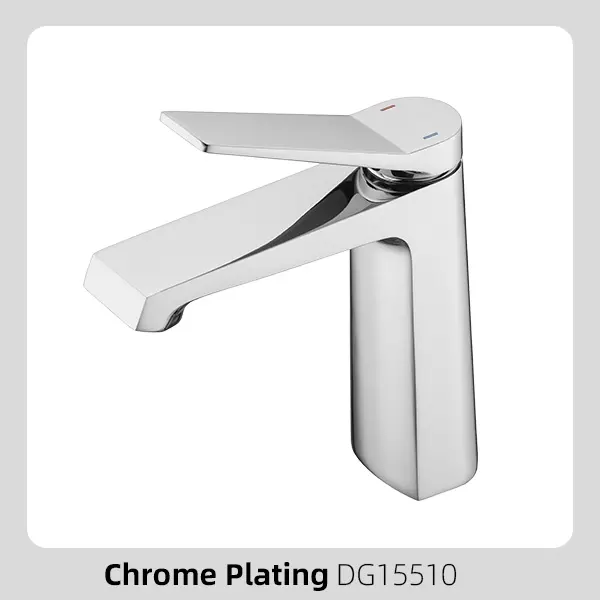
Chrome plating uses electroplating to apply layers of nickel followed by chromium onto brass faucet bases, creating the classic mirror finish.
While chrome plating delivers an attractive appearance initially, microscopic cracks develop over time. Water penetration leads to corrosion beneath the surface, eventually causing the plating to lift. Environmental regulations on chrome plating are tightening, increasing production costs.
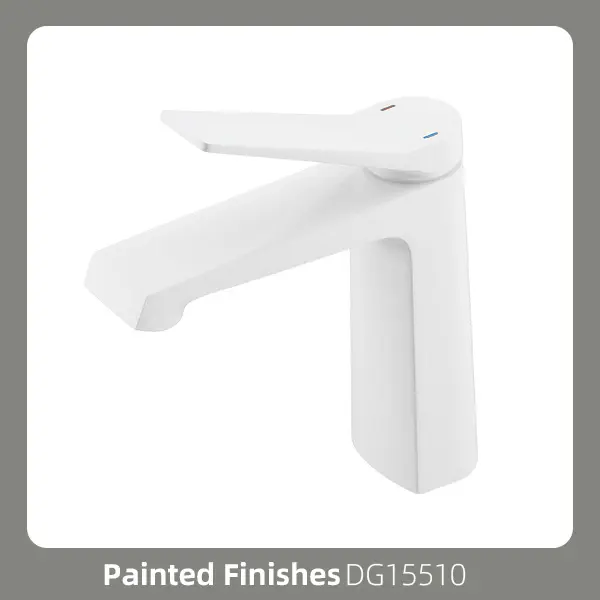
Painted finishes involve multiple layers of paint baked at high temperatures, typically 3-4 base coats and 4-5 finish coats.
Painted finishes offer unlimited colour options for boutique properties but show visible wear in high-traffic environments within 18 months.
| Feature | PVD Coating | Chrome Plating | Painted Finishes |
|---|---|---|---|
| Surface hardness | 2,800-3,300 HV | 700-900 HV | 200-400 HV |
| Durability testing | 2,000-hour salt spray | 72-hour salt spray | No standard test |
| Scratch resistance | Excellent | Good | Poor |
| Water spot visibility | Low (matte options) | High (mirror finish) | Medium |
| Colour options | Gold, black, silver, bronze | Mainly silver/chrome | Unlimited |
| Finish types | Matte, brushed, mirror | Mirror | Matte, gloss, satin |
| Chemical resistance | Excellent (pH 2-12) | Good (pH 5-9) | Poor (pH 6-8) |
| Environmental impact | Minimal | High (heavy metals) | Medium (VOCs) |
| Lifespan in hotels | 10+ years | 3-5 years | Under 2 years |
| Initial cost | £150-£300 per unit | £50-£120 per unit | £30-£80 per unit |
| 10-year total cost | £150-£350 | £280-£420 | £450-£880 |
Understanding total ownership costs over time reveals the true value of each surface finishing option:
For a 100-room hotel over 10 years, PVD coating delivers the lowest total cost despite higher initial investment, while painted finishes require the most frequent replacement and highest maintenance expenditure.
Surface finishing quality depends entirely on the underlying faucet materials. Two materials dominate high-end hotel specifications:
Lead-free brass remains the gold standard for premium faucets. This alloy typically contains 57-61% copper, 35-39% zinc, with bismuth or silicon replacing lead.
All brass faucet components must meet NSF/ANSI 61 certification with weighted average lead content ≤0.25%. This material certification ensures compliance with drinking water safety standards.
Stainless steel faucet options provide modern alternatives with distinct advantages:
Grade 304 (18% chromium, 8% nickel) suits most hotel applications. Grade 316 adds molybdenum for superior performance in coastal or high-humidity environments.
Never specify zinc alloy bases (brittle, corrodes easily) or mixed metals without proper coating (causes galvanic corrosion). Premium surface finishing on inferior base materials creates false economy—the base corrodes from within, rendering expensive coatings worthless.
Hotels use aggressive cleaning products. Your chosen surface finishing must withstand daily exposure. PVD coating handles the widest pH range (2-12), making it most suitable for varied cleaning protocols.
Matte PVD finishes hide water spots better than polished surfaces—critical for maintaining appearance between housekeeping visits in high-traffic bathrooms.
Verify these certifications before procurement:
Request actual test certificates, not supplier promises. This material certification protects your investment and ensures regulatory compliance.
Matte black or brushed nickel PVD coating hides fingerprints and water spots while photographing beautifully for marketing materials.
Brushed brass or bronze PVD coating provides warm, timeless tones that won't date like shiny chrome.
Painted finishes enable custom colours for unique aesthetics, accepting the trade-off of more frequent replacement.
Brushed nickel PVD coating delivers professional appearance with minimal maintenance demands.
Calculate 10-year total ownership costs. The cheapest upfront option typically costs substantially more over time.
Premium surface finishing on zinc alloy or low-grade brass fails quickly. Always specify lead-free brass or 304/316 stainless steel.
Inconsistent appearance between premium and standard rooms damages brand perception. Guests notice quality variations.
Obtain samples and test with actual cleaning protocols. Showroom appearances don't reflect performance under daily chemical exposure.
Chrome plating faces increasing regulatory pressure due to hexavalent chromium concerns and wastewater treatment costs. Painted finishes produce VOC emissions despite improvements in powder coating technology.
For high-end hotels, PVD coating on lead-free brass or stainless steel faucet bases provides optimal performance. This combination delivers:
Chrome plating remains viable for mid-range renovations with shorter planning horizons or where mirror finishes are essential for design continuity.
Painted finishes suit boutique properties prioritising unique aesthetics over longevity, where frequent updates align with brand positioning.
Modern faucet materials and surface finishing technologies offer clear performance differences. While PVD coating requires higher initial investment, the combination of extended lifespan, minimal maintenance, and superior corrosion resistance delivers lowest total ownership cost for high-end hotel properties.
Your choice should reflect your property positioning, renovation cycle, and maintenance capabilities. For luxury and upscale properties, PVD coating on quality base materials (lead-free brass or stainless steel) provides the most reliable long-term solution. The technology eliminates the cycle of constant replacement and touch-ups that plague traditional finishes, allowing your team to focus on guest experience rather than fixture maintenance.

AIM Faucet is not just a faucet manufacturer or wholesaler, but more like a partner who can provide you with more added value.
We are united in our determination to produce China-made bath and kitchen fixtures adhering to the highest ethical principles. You have our promise!